Fifteen years ago, the brief for a high-end private home looked very different. Today, clients expect more: stronger environmental performance, spaces that adapt with changing lifestyles, and a seamless interplay between architecture, interiors and landscape.
For HollandGreen founders Ben Holland and Stephen Green – whose practice has delivered more than 1,600 projects and built a strong niche around Paragraph 84 and environmentally future-proof homes – that shift has shaped how they work today. With bases in London and the country, the multidisciplinary studio brings architects, interior designers, landscape designers and project managers together under one roof – an approach that’s become increasingly relevant as projects grow ever more complex.
In this wide-ranging and candid conversation, the pair reflect on how the sector has evolved since they started their business, from planning pressures and changing client expectations to the rise of integrated design – and where it may be heading.

You’ve specialised exclusively in high-end residential for 15 years, while many practices diversify into commercial work. From a business point of view, what has that focus given you that a mixed portfolio wouldn’t?
Stephen: It has let us do one thing properly and keep getting better at it. We made a conscious decision early on not to dilute what we offer. High-end private residential is its own world, and if you try to spread yourself across commercial, hospitality, retail and everything else, the output starts to soften.
Ben: By staying focused on single private homes, we have been able to build real depth. And instead of diversifying into different sectors, we expanded the service around the home itself. We started with architecture, then added interiors, then landscapes, then project management, so we could bring it all together. That has refined the offer rather than distracting from it.

What do people outside the sector still misunderstand about the realities of running a residential design practice at this level?
Ben: People assume once you have planning, you are basically off to the races. In reality, the most complex part often sits between getting consent and getting on site. There is the engineering detail, the technical delivery, the ecology and bat constraints, the M&E integration, procurement, contracts, choosing the right contractor and then actually coordinating it all. It is a huge, detailed, regulated puzzle. And timelines are often misunderstood too. Even explaining the journey can be harder than it should be, because from the outside it looks like “just a house”.
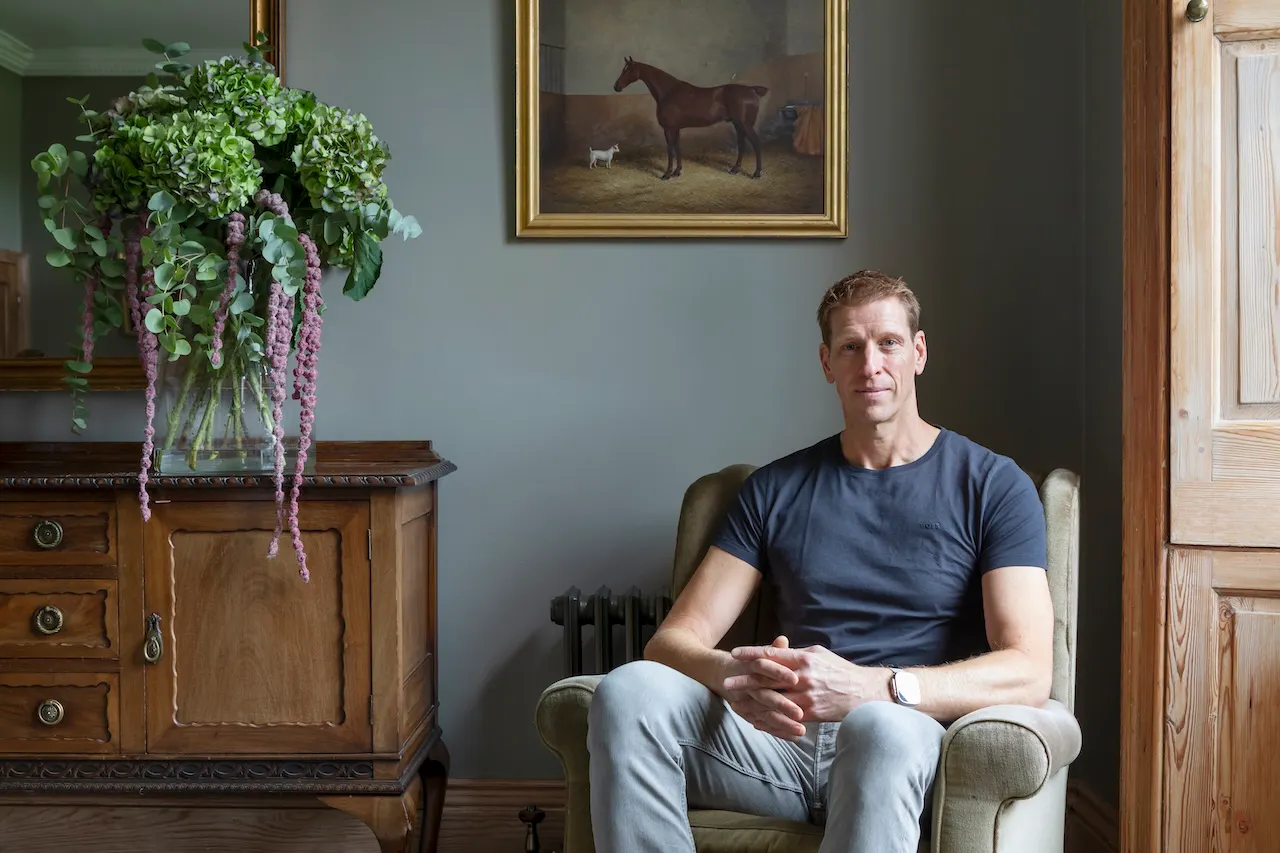
Clients now expect far more than “good design”. How has the growing emphasis on longevity, sustainability and emotional intelligence changed the way you structure projects, and what other changes are you seeing in client priorities right now?
Stephen: Good design now goes without saying. That is the baseline expectation. What clients are really judging is everything around it. Communication, anticipation, and the sense that you are one step ahead. There is also a shift in what people mean by “sustainability”. Yes, it is a buzzword, but clients are often more interested in the quality of the environment they are going to live in. How materials affect their day-to-day life, not just how “green” they look on paper. VOCs in paint are the obvious example, but it goes far deeper than that. Adhesives, glues, what sits behind finishes, how something will react over time. Longevity becomes about how a home feels year after year, not just whether the stone worktops will last.
And there’s another big change. Clients are comparing us internationally now. They are not just thinking “How does this stack up against another practice down the road?” They are thinking “What would the service and the outcome look like if we did this in Switzerland, Dubai or Portugal?” The benchmark has shifted.
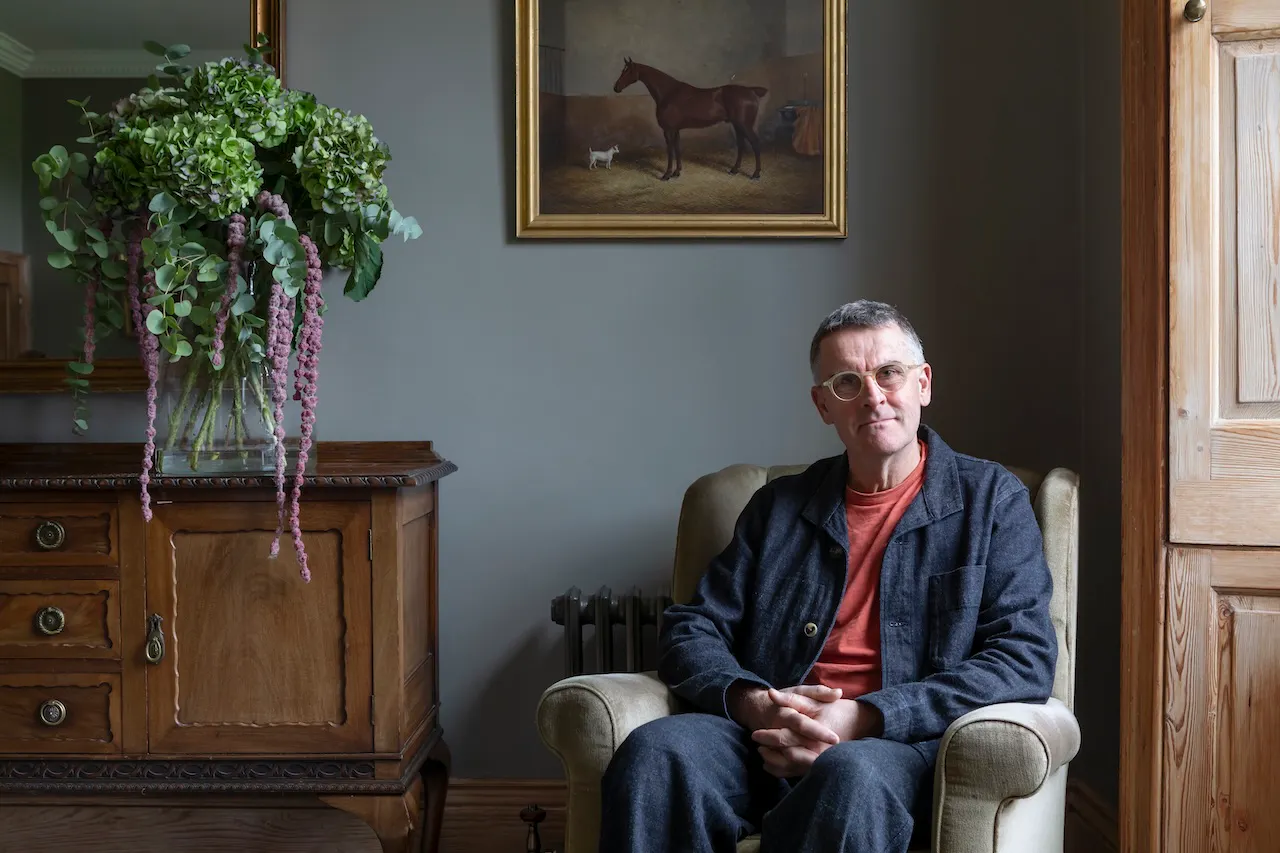
You’re unusual in bringing architecture, interiors, landscape and project management together under one roof. What prompted that approach, and how does it affect the way projects are received, particularly at planning stage?
Ben: It came from a practical realisation early on. Creative work and operational delivery are different skill sets, and both matter. We wanted our architects and designers to be as good as they could possibly be. At the same time, somebody has to orchestrate the moving parts properly, and it makes sense for that to be done by experts. At the planning stage, the benefit is obvious now that local authorities expect a more holistic proposition. Landscape design cannot be an afterthought anymore.
Biodiversity net gain has changed the game. If you do not have landscape thinking early on, you end up engineering solutions later. That slows everything down and it often makes the outcome weaker. Designing all disciplines together means we can think ahead, present a joined-up scheme and avoid losing time and coherence by outsourcing chunks to external teams.

You’ve both spoken about having been ‘the client’ yourselves. What did that experience teach you about fees, transparency, and where practices most often lose client trust?
Ben: We became very uncomfortable with the classic percentage fee model, because it does not always make sense. If the kitchen costs £100,000 or £500,000, it does not necessarily mean the design work is five times harder. Yet the fee rockets, and clients, totally understandably, struggle with this. So we moved to a task-based fee structure. We break the work down into what a client actually needs, then calculate it properly.
We became very uncomfortable with the classic percentage fee model, because it does not always make sense
Plans, sections, models, reports, CGI, landscape inputs, project management time, and the hours required at partner, project leader and team level. It becomes very clear. If a client wants to reduce fees, the question becomes, “What do you want to remove?” rather than a vague argument about percentages. That clarity is a trust builder. Being “the client” taught us how quickly trust disappears when fees feel opaque, or when it feels like smoke and mirrors.

As residential projects become more complex and more regulated, where do you see clients most underestimating risk, and how do you tackle that conversation early on?
Ben: Budget and planning risk, every time. Clients often start with a rough brief and a rough sense of cost and programme. But those guesses can be wildly off. The dangerous route is to plough into design, fall in love with ideas, and only later discover what planning really allows and what the build really costs. That is when you get panic, backpedalling and value engineering. We tackle it up front. Every project starts with a feasibility study as a small fixed-fee exercise. We take the brief, test options, sketch loosely, then come back with honest timelines, likely planning challenges, and realistic costings based on real data. That is where we might have to say, “This is not £600k, it is closer to £2m,” before anyone has sunk months into the design.
Stephen: For international clients, particularly Americans, the risk is often the UK planning and listed-building system itself. They arrive with an assumption that if they own it, they can do it. The reality is far more nuanced, so we explain early what is possible, what is not, and where the leverage points are.

Is there a defining factor that makes these projects succeed, and where do they most commonly unravel?
Ben: The defining factor is communication. It sounds simple, but it is everything. Communication with the client, and communication between disciplines. When architecture, interiors and landscape operate as separate worlds, one team pushes ambition, another pushes specification, and nobody is looking at the total impact. The inevitable result is that the garden gets cut, or finishes get downgraded or the client ends up frustrated because the “whole” never quite lands. Good project management and joined-up thinking keep ambition and spend aligned, and that is what protects the outcome.
Flooding and environmental resilience are now unavoidable considerations. How much have these issues reshaped site selection and design thinking over the past five years?
Stephen: Flooding is now a real filter. There is far more reluctance to build in floodplains, and the requirements and scrutiny are tougher. But the biggest shift is actually solar gain and overheating. Ten years ago, the dream was a south-west facing wall of glass to flood the house with light. Now you have to think much harder about rising temperatures and the long-term comfort of the building. Insulation, shading, passive cooling, and how the architecture responds to heat are no longer optional considerations.
High-end CGI and 3D modelling play a major role in your work. How is technology reshaping the design process today, and where do you see it having the biggest impact next?
Stephen: It has transformed speed and confidence. The ability to iterate quickly means clients do not have to “wait and see” in the same way. You can hone in on decisions faster, test options visually, and reduce the risk of surprises later. The key is using it properly. A well-built model that is iterated with expert direction is incredibly powerful. Throwing prompts at AI and hoping for the answer is not. The future is about combining fast iteration with real design rigour.
You work extensively with heritage buildings but aren’t afraid of contemporary intervention. Do you think current planning policy is fit for purpose, and where does it most urgently need reform?
Ben: We think contemporary intervention is the right approach. Pastiche does not age well. Our goal is to be loyal to the place and the building, but unashamedly 21st century. If it is in the Cotswolds, it should feel distinctly Cotswolds. If it is in the Chilterns, it should feel distinctly Chiltern. It should be the next chapter in the building’s life, not a fake version of the previous one. What has changed for the better is that conservation teams are becoming more open to the idea that heritage buildings have to evolve. We are seeing more acceptance that you can improve performance, efficiency, and comfort without stripping character. That is a positive shift.
Conservation teams are becoming more open to the idea that heritage buildings have to evolve

When collaborating with external consultants on technically demanding builds, what separates a productive partnership from a painful one?
Stephen: Two things: trust and clarity. Working with people you have worked with before helps enormously. You understand each other’s processes already, which allows the consultant to support creativity – rather than immediately reducing everything for risk avoidance. The other piece is clarity of responsibility. If roles are blurred, work gets duplicated or missed. If responsibilities are clear, partnerships can be efficient, enjoyable and genuinely collaborative.
As founders, how has your role evolved as the practice has grown, and what have you had to let go of to allow the studio to scale?
Ben: We used to do everything. Measured surveys, modelling, the lot. Now we are working with teams who are better than we are in their specialisms, and that changes everything. Letting go has allowed us to focus on the overarching vision, client relationships and making sure the “red thread” runs through the whole project. The practice can only scale when founders stop trying to be the whole machine.

Having worked with more than 550 clients, do you have a favourite project, and can you give a flavour of what’s coming through the studio in 2026?
Ben: Picking favourites is difficult, but the projects that stand out tend to sit at the extremes. One is a long-running project involving the full reinvention of a historic house, from a major renovation and basement to extensive landscaping with a pool, outdoor gym, and kitchen. It’s effectively rethinking how the entire estate functions for modern life. At the other end is a riverside new build on a floodplain, raised on stilts so floodwater can pass beneath, set within the grounds of a Grade II* listed manor house. It has been as much a planning and heritage challenge as a design one, and that balance between sensitivity and innovation is what makes it compelling.
Stephen: Alongside these are projects that feel very current, including the refurbishment of large manor houses paired with the conversion of barns into wellness and leisure complexes. We’ve also enjoyed working on highly sustainable new builds, such as an eco-home in Berkshire, which we delivered remotely during Covid for an Australian client, designed to be largely self-sufficient. This year we expect more large, complex refurbishments and ambitious new builds where heritage, sustainability and resilience are treated as a single, joined-up brief.

Looking ahead to 2026, do you expect residential briefs to become more cautious or more ambitious as planning and environmental pressures intensify?
Ben: There is a more cautious mindset around risk, partly because costs and planning pressures are so well understood now. But ambition is still there.
Stephen: “One interesting change is that people are starting to use AI to brief us. They arrive with detailed documents and even generated imagery of “the finished house”. The danger is that it closes down creative possibilities too early. The best projects still need room at the start to explore properly, then refine. In a tougher environment, it becomes even more important that you have the right team on the project. You cannot chance it.
As a residential-only practice, how exposed are you to property market cycles, and has that specialism helped or hindered you during downturns?
Ben: At the high net worth end, clients are often more insulated from market cycles than people expect. That helps. But the bigger point is that our specialism has been a strength. We wanted to do one thing and do it brilliantly, rather than be fairly good at everything. In tougher times, depth matters. If you are genuinely at the top of your niche, you tend to come through the storms.
If you were starting HollandGreen again today, is there anything you would do differently?
Stephen: We would go bigger sooner, with better people earlier. We grew organically over 15 years and never borrowed money, and that has worked, but the quality step-change comes when you bring in highly experienced, highly creative specialists.
Ben: With hindsight, we would have taken on fewer small projects, employed stronger people earlier, and scaled faster. We would also have built the full multidisciplinary model sooner. Having architecture, interiors, landscape, project management and specialist knowledge under one roof is a huge advantage, and it is hard to imagine going back.

What’s your latest cultural recommendation (e.g. book, exhibition, film)
Stephen: I’ve just returned from New York, and arriving on a snowy winter’s day we took the Architectural River Tour. It reinforced something I’ve long believed: the biggest mistake when trying to understand a city’s architecture is only seeing it from the pavement, or even the High Line. At street level you experience energy and chaos, but from the water you see the masterplan. The skyline suddenly makes sense. Architecture isn’t just about individual buildings; it’s about the vision that connects them.
Architecture isn’t just about individual buildings; it’s about the vision that connects them
Ben: I’ve just finished reading ‘Unreasonable Hospitality’ by Will Guidara. Although set in the world of fine dining, his thinking on creating an exceptional experience offers valuable lessons for any client-focused business.
What’s the best piece of advice you’ve received?
Ben: I think one of the best pieces of advice I’ve been given is that company culture is what happens when you’re not in the room. It’s about instilling a set of values and behaviours so deeply that your team makes their decisions truly based on them. A team with a clear vision of ‘that’s how we do things here’ is a powerful asset to have.
Stephen: The best advice I have ever got was from a business adviser early in our HG journey: a business is like a home. Its real strength lies in the foundations you can’t see. We chose from the outset to build ours on integrity, even when that meant having difficult conversations early to avoid compromised outcomes later. It isn’t always the easiest path, but anything built to last rarely is.
Contact Book
- Ben Holland LinkedIn
- Stephen Green LinkedIn
- HollandGreen
- hollandgreen.co.uk